
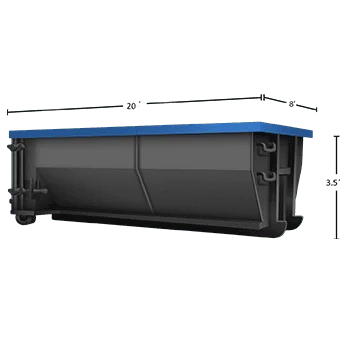
Distinguish collection from an agreed exchange
A roll-off container is delivered and recovered with equipment that needs suitable access and handling space. The offered format, material acceptance and loading limits must be confirmed for the actual job. A scheduled final collection and a collection followed by a replacement are different service requests.
Explain whether you expect one contained load or continuing debris production. Give the material description, approximate amount, project sequence and proposed rental period. The provider can discuss appropriate equipment and handling without the customer guessing universal dimensions, weights or a guaranteed swap schedule.
Plan what happens when the agreed load limit is reached
In a hypothetical continuing renovation, the container may reach its agreed loading limit while more work remains. Identify who can stop further loading and contact the provider about the next action. Do not keep adding material above limits or introduce different restricted debris to postpone collection.
If an exchange was not included, ask about it rather than treating it as an automatic entitlement. Explain what will be generated next and whether the material differs from the first load. The provider needs to assess the actual replacement request and its accepted scope.
Keep the exchange area separate from ongoing work
The same position may be suitable for recovery and replacement only when the handling route remains clear and the property allows it. Coordinate the temporary pause or change in loading activity with the project lead and provider. Workers, pedestrians, parked vehicles and stored materials should not be left in a space the handling operation needs.
If the original position cannot be used, discuss a separately approved alternative rather than pointing to an unassessed empty area when the vehicle arrives. Property permission, ground suitability and the actual equipment requirements still apply. No same-day exchange, particular vehicle clearance or automatic alternative location is promised here.
Record the replacement and the final recovery
Confirm the actual replacement equipment and materials, the remaining rental period, collection arrangements and the contact who can enable access. Clarify any conditional exchange or extra service within the quote without assuming the original amount covers a changed sequence.
Keep final collection distinct from an intermediate exchange so everyone knows when the rental ends. If the work team will leave first, name the person who remains responsible for access and the accepted load. A clear recovery arrangement is part of the usable service, not an afterthought once the container is full.
Questions before you book
Is an exchange automatically included in a roll-off rental?
No. Ask what the actual offer includes and agree any replacement request, equipment, material and timing separately where needed.
What should happen when the agreed loading limit is reached?
Stop further loading and use the agreed provider process to discuss collection or an exchange. Do not exceed limits or add uncertain materials to delay it.
Can the replacement be dropped elsewhere on the property?
Only after the operator and provider assess and agree that alternative position and access. An empty area is not automatically a suitable authorised location.