
Describe the material before choosing a container
A dumpster provides a place for accepted solid cleanup or project debris under agreed loading and collection conditions. It is a separate service from portable restroom tank servicing or wash-station wastewater handling. Do not use it as a disposal point for those liquids or assume an unwanted item is accepted simply because it fits.
Describe the materials, approximate amount, how they will be handled and whether the project will generate different types over time. The provider can discuss an appropriate format and restrictions for the actual request. No universal material-acceptance list or particular size is promised by this page.
Look ahead to the next phase of the job
Imagine a property cleanout followed by building work. The first stage may produce one type of unwanted material while the next produces a different load. Before combining them, identify the change and ask the provider whether it fits the existing accepted stream or needs a separate arrangement.
Compare continuing the original container use within its agreed scope with a separately assessed container or collection sequence for the later phase. Keeping the material description accurate helps avoid a mismatch between what was quoted and what is actually presented for collection. Do not assume mixing makes the project simpler or less expensive.
Keep placement and loading appropriate to the offer
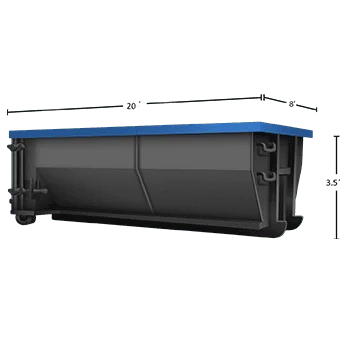
Explain the proposed position, ground conditions, property permission and the route for delivery and recovery. The actual container and handling vehicle determine the space needed; do not invent dimensions or assume a driveway photograph proves access. Consider people moving around the loading area and keep unrelated toilet approaches clear.
Ask the provider to state the relevant loading limits and material restrictions, and communicate them to anyone adding debris. Stop and ask about a changed or uncertain item before loading it. A maximum-looking fill line, a lid or available space should not be interpreted beyond the actual provider instructions.
Quote the phases and the end of the rental
Request the accepted material description, actual equipment, rental period, transport, collection and any agreed exchange or conditional additional service. Ask which loading or weight conditions affect the offer and how a changed material mix or extra collection would be quoted for your project.
If the project also requires toilets, treat users, washing, care and contained-waste service as a separate discussion with its own equipment and responsibilities. The two services may share property access considerations, but they are not interchangeable. Confirm who can provide access when each item is collected.
Questions before you book
Can we add different debris when the next work phase starts?
Describe the new materials to the provider before loading them. Confirm whether the existing accepted arrangement applies or a separate option is required.
Can a dumpster receive portable toilet or wash-station waste?
No such use is part of this enquiry. Those contained wastes require their own agreed provider handling, separate from accepted solid project debris.
What information helps prepare a container quote?
Give the material types, approximate amount, project phases, location, placement/access conditions and rental dates. Ask about loading limits, transport, collection and any exchange.