
Look for the responsibility nobody has accepted
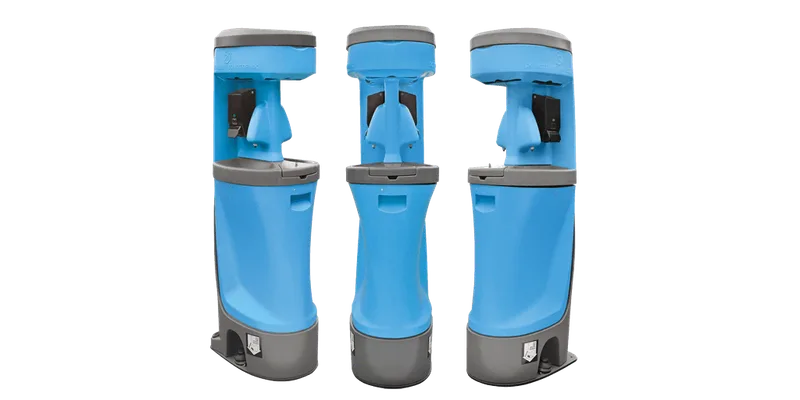
A portable washing point needs a suitable fresh-water supply, working dispensing equipment, soap, drying provision and an agreed used-water arrangement. Confirm how the offered model provides those functions. A sanitizer pump is not a substitute for the water-and-soap function, and a photograph of a basin does not identify its supplies or support.
Now compare the supplier’s offer with what the venue or event team expects. For example, a venue might expect the rental to include replenishment while the proposed terms assign some ordinary supply checks to the organiser. This is a hypothetical gap to resolve, not a description of every rental. Name each unaccepted task before deciding the station is fully arranged.
Compare two arrangements by whether their duties can be fulfilled
One option to discuss is provider-managed supply and care under a specifically agreed scope. Ask what initial supplies, visits and reporting arrangements that offer includes and what remains with the customer between visits. Do not assume provider-managed means continuous attendance or a response time that has not been agreed.
Another offer may place defined ordinary checks or replenishment duties with a named site contact. Confirm that the person is available, has the agreed supplies and can follow the provider’s instructions. Handling contained wastewater, opening equipment or making repairs should not be substituted for ordinary checks. If no capable contact accepts the stated duty, that option has an unresolved gap even if its equipment is suitable.
Test the arrangement against the actual period of use
Explain when users will be present, including preparation and cleanup work, and when the responsible contacts can reach the station. A person available only during public opening may not cover earlier workers or a later group. Ask how the selected care arrangement covers those periods without inventing a universal refill interval.
The position must work for users and the people performing agreed tasks. Check the permitted stable area, controls and approach, toilet-door clearance and delivery or service route. Confirm any model-specific connection with the property and provider. A suitable duty list does not solve inaccessible supplies or a washing point that people cannot reach or operate.
Handover the accepted duties and reopen gaps when conditions change
Keep the agreed equipment, initial supplies, ongoing care and responsible contacts together with the rental dates, transport and collection instructions. Confirm who reports low supplies, unusable equipment or blocked access, and how that report reaches the provider. Ordinary handwashing does not establish suitability for drinking, food preparation or tool washing; raise those different requirements separately.
If a responsible volunteer leaves, supply access closes or use increases, revisit the affected arrangement instead of silently passing the task to whoever is nearby. Ask the provider to agree any changed care or support and the handling of remaining water at collection. Do not dispose of used water on the ground or into an unapproved drain to close an unassigned task.
Questions before you book
What if the venue and supplier each expect the other to replenish supplies?
Identify the unaccepted task and ask the relevant parties to agree a workable responsibility before relying on the station. Do not leave the gap with an unnamed volunteer.
Does provider-managed care mean an attendant stays at the station?
Not automatically. Confirm the specific visits, tasks and reporting arrangements in the actual offer; continuous attendance is a separate question.
Can we accept site-managed tasks if nobody will be there later?
Explain that availability gap to the provider and venue. Agree an alternative arrangement that covers the real use period rather than assuming the duties will be completed.